Product Description
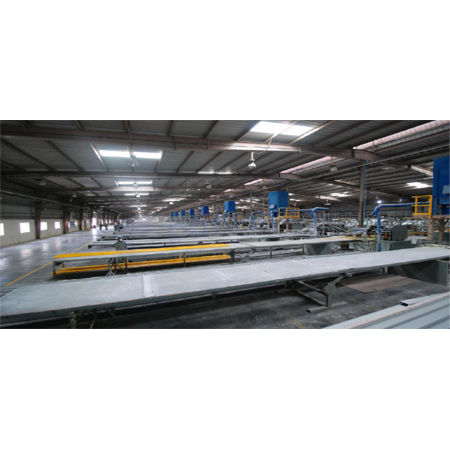
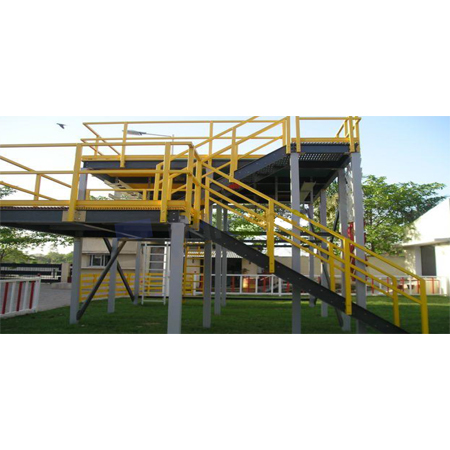
Our company FRP Solution is providing you optimum quality Pultrusions which is used to manufacture composite materials. This is product is available in various dimensions as well as sizes as per the requirements of the clients. Apart from this, Pultrusions are highly acclaimed in the market by the clients due to its various key features which includes light in weight , water & weather proof, anti-corrosive in nature, high strength, ensures durability and many more. Furthermore, the provided product comprises of certain forms such as mold, plant, resin, etc; therefore, can be availed at reasonable rates.
Efficient Composite Profile ManufacturingOur Pultrusion Machine System specializes in producing FRP and GRP profiles with unsurpassed precision and reliability. Tailored heating systems and robust mechanical design empower factories to fabricate custom shapes at high throughput, meeting the needs of multiple industries. The systems operator-friendly interface and advanced safety features ensure secure, seamless, and scalable operations.
Customized Performance for Every RequirementWhether you need open or closed resin impregnation, heavy-duty rubberized or steel rollers, or specific die materials, this pultrusion machine adapts to your specifications. Profile dimensions, pulling force, and heating types are customizable, allowing flexible production for both standard and unique composite components.
Automated Control and Quality AssuranceA PLC-based control system with touch screen and multi-language support enhances user interaction and process automation. Integrated QC modules offer real-time quality checks, supporting continuous or batch production modes. These features minimize downtime and ensure consistent product standards, making the system a reliable asset for quality-centric manufacturers.
FAQs of Pultrusion Machine System:
Q: How does the pultrusion machine system operate during the production of FRP/GRP profiles?
A: The system continuously pulls reinforcing fibers through a resin bath (open or closed), then through a heated die, where the resin cures. The profiles are shaped, cut, and inspected automatically or manually according to the product specification. The process features computerized and PLC-based controls for precision and efficiency.
Q: What heating systems are available, and how do you choose the right one?
A: The machine supports electric, infrared, or hot air heating systems, which can be selected based on specific resin types and production requirements. For rapid, uniform curing, infrared or hot air options may be preferred; electric heating offers precise temperature control for sensitive profiles.
Q: When should a closed bath or open bath resin impregnation system be chosen?
A: A closed bath system is ideal when minimal resin exposure is needed for safety, environmental, or resin-sensitive projects. Open bath systems may be used for easier setup and cleaning, especially in applications where material handling and frequent changeovers are necessary.
Q: Where is this pultrusion machine typically installed and utilized?
A: These systems are installed in manufacturing facilities, particularly those producing FRP/GRP components for construction, automotive, electrical, and custom engineering applications. Its robust build and customizable configuration make it suitable for both large-scale and specialized plants.
Q: What are the primary benefits of using this automated pultrusion machine system?
A: The system delivers high productivity, energy efficiency, and consistent quality. It offers easy operation, low maintenance requirements, and comprehensive safety measures, ensuring optimal performance and a safe working environment. The adaptable configuration provides flexibility for various composite product demands.
Q: How do quality control and operator interfaces enhance the manufacturing process?
A: An integrated QC module and PLC-based touch screen control enable real-time inspection, multi-language operation, and automated adjustments, resulting in fewer defects and streamlined operations. Manual and automatic inspection options are available to meet different quality standards.






 Send Inquiry


 Send Inquiry
 Send SMS